

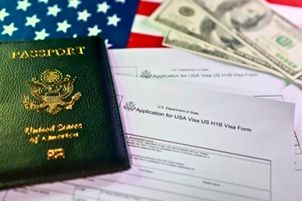
In a sweeping national-security move, the U.S. government has revoked roughly 80,000 non-immigrant visas since January 2025, citing criminal offenses and security concerns.
The announcement has sparked heated discussion across political and social media, following a viral post that framed the crackdown as a major step to “put national security first.”
The visa cancellations form part of a hardline immigration and law-enforcement agenda rolled out under the administration of Donald Trump.
According to senior officials in the U.S. Department of State, the bulk of revoked visas relate to offences including driving under the influence (DUI), violent assault, and theft.
● Roughly 16,000 visas were revoked for DUI-related offences.
● About 12,000 visas were cancelled on account of violent assault.
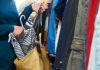
● Nearly 8,000 visas were revoked for theft-related offences.
● Among the revoked visas were also nearly 8,000 student visas — highlighting that the crackdown extends beyond temporary tourist or work visas.
According to a senior State Department official, “These three crimes accounted for almost half of revocations this year.” The broader crackdown also references overstays, violations of visa terms, and — in some high-profile cases — social media activity deemed contrary to U.S. national interest or safety.
The move has been widely publicised — media reports quote government sources underscoring that revoking visas is part of a policy to “put the safety and interests of the American people first.” The broadness and speed of the visa cancellations reflect what many see as one of the most aggressive immigration-related enforcement efforts in recent years.
While supporters hail the move as necessary to curb crime and reinforce immigration compliance, critics argue the policy may have far-reaching consequences:
● Students and long-term visa holders face uncertainty — thousands had visas revoked, potentially disrupting studies, legal status, and community life.
● Remittance flows, immigrant labour, and international mobility could be affected as the crackdown expands beyond overt criminal offenses to include social media activity and perceived security risks.
● Legal and diplomatic pushback may intensify, especially from civil-liberties organizations and countries whose citizens are disproportionately impacted by visa revocations. Past cases where visas were pulled for political speech or minor infractions have already drawn widespread criticism.
The visa revocations follow a broader shift in U.S. immigration and visa — and screening — policy under the Trump administration. Alongside stricter social-media vetting and expanded background checks, the State Department appears determined to assert tighter control over who may legally remain in or enter the country.