


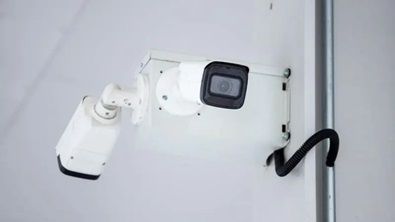
Abu Dhabi Police has urged residents to comply with the regulations that govern the installation and use of home surveillance cameras. This is in cooperation with the Monitoring and Control Centre, and it is a part of a public awareness campaign that has been launched under the slogan of ‘Be Reassured’. Here’s what Abu Dhabi residents must know regarding the home surveillance camera rules.
The police in the capital say that this initiative aims to enhance safety and security. Not to mention, it plans to do so while ensuring the protection of personal privacy. As revealed in a statement by Abu Dhabi Police, home surveillance cameras are used for capturing images and even recording videos for monitoring purposes. It is also done to document incidents that create a safer residential environment when it is installed properly.
However, residents have been asked not to publish any footage or image that is captured by the home surveillance system on social media. They must not do so on any other platforms either. This has been stressed upon as it is important to store the recording securely so that no misuse takes place. Moreover, the authorities have also warned against positioning the cameras in such a way that it infringes on the privacy of neighbouring homes or private areas within residences.
So, the Abu Dhabi Police has recommended installing the cameras in such a way that it is an appropriate location, such as entrances & exits, storage spaces, children’s play areas, parking, and external perimeter. Not to mention, these installations must also comply with privacy considerations. As it happens, residents have also been advised to use licensed companies for the installation and maintenance of the system. They must choose cameras that support smart connectivity and have night vision. Moreover, these cameras should activate motion detection features and must be regularly maintained for effectiveness.
Authorities have also highlighted that it is important to protect the system passwords and regularly update security credentials. Additionally, one must not share access details with others.