


On the evening of April 25, 2026, gunshots were fired near the main security screening area for the annual White House Correspondents’ Dinner at the Washington Hilton in Washington, D.C. President Donald Trump, First Lady Melania Trump, Vice President JD Vance, and members of the Cabinet were evacuated from the event by the Secret Service. It was the first White House Correspondents’ Dinner that Trump attended as president.
Law enforcement officials identified the suspect as 31-year-old Cole Tomas Allen, who allegedly intended to target multiple Trump administration officials. Allen was arrested near the screening area outside the banquet hall after running past the security checkpoint while armed.
Investigators believe he was staying at the hotel as a guest. One officer was struck in his bullet-resistant vest and was admitted to a hospital but was later released. The suspect was taken to the hospital for a single knee injury despite not being hit by gunfire.
The incident drew wide ranging criticism of how the attacker managed to get access into the high security zone although the secret service had sealed up the place. Closer home in India multiple incidents have taken place in India where some level of attack..although few that involved firearms… have taken place. The attacker has either thrown a projectile or ink or some related object at the VIP.
Managing security at events that involve VIPs is a complicated process and clearly considering the number of attacks the United States has seen on its presidents is indicative that the Secret Service has consistently been lagging in its planning in managing security.
High-profile summits bring together VIPs from various spheres, necessitating unparalleled security. The foundation of personal security lies in accurately assessing potential threats. This involves understanding the nature of the VIP, the event’s profile, and the associated risks. The threat assessment must be dynamic, accounting for real-time changes in the security landscape. This continuous assessment helps design protection strategies that are reactive and preemptively adaptive to potential threats.
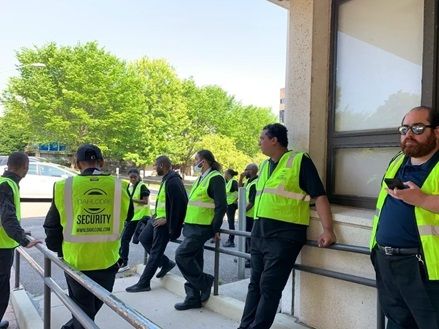 Once threats are assessed, implementing advanced protective measures is crucial. This includes physical security, such as bodyguards skilled in close-protection tactics, and technological aids like surveillance systems. The key is to establish a security bubble that moves with the VIP, ensuring constant protection without being obtrusive.
Transportation is a critical aspect of VIP security at high-profile summits. The use of armored vehicles, equipped to withstand various types of attacks, is standard. These vehicles should be driven by drivers trained in defensive and evasive driving techniques. The protocol for their use involves route planning, backup plans, and regular vehicle checks.
The strategy for convoy movement is as important as the vehicle’s armor. This includes forming the convoy, deploying decoy vehicles, and communication protocols among team members. The convoy’s formation is designed to provide maximum protection and quick response capability in case of an attack.
High-profile events necessitate on-site medical support for immediate response to any health emergency. This involves having a team of medical professionals equipped with necessary medical supplies. Their training should include trauma care and be familiar with the VIP’s medical history for personalized care.
In addition to on-site medical care, establishing a clear plan for medical evacuation is vital. This includes coordinating with local hospitals and having a dedicated medical evacuation route. The medical team should conduct drills and understand the capabilities of the nearest medical facilities.
Intelligence gathering is a proactive measure to enhance VIP security. This involves gathering and analyzing information about potential threats before the event. Sources include local law enforcement agencies, private intelligence firms, and public domain information. This intelligence forms the basis for all security planning and decision-making.
Continual surveillance and monitoring during the event are crucial for real-time intelligence. This can be achieved through physical surveillance and technological means like CCTV cameras and social media monitoring. The goal is to identify and neutralize threats before they materialize.
 Effective communication is the backbone of VIP security. This involves establishing secure communication channels among the security team, event organizers, and law enforcement. The systems must be reliable and secure, ensuring that sensitive information is not intercepted. Moreover, the communication protocol must be clear and concise, preventing misunderstandings and delayed responses during a crisis.
Coordinating between different agencies – private security, local law enforcement, and federal agencies – is essential at high-profile summits. This coordination should be established well before the event, ensuring all parties know their roles and the overarching security plan. Regular meetings and joint drills can foster a sense of teamwork and preparedness.
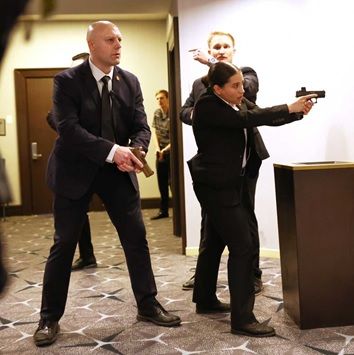
The effectiveness of a VIP protection strategy mainly depends on the security personnel’s skill and preparedness. This requires specialized training in threat assessment, close protection, advanced driving, and emergency first aid. Regular refresher courses and drills are essential to maintain high readiness levels.
Conducting regular preparedness drills based on various scenarios is crucial. These drills should simulate real-world situations, from physical attacks to medical emergencies, ensuring the security team can respond effectively under stress. Collaboration with local authorities in these drills can also enhance preparedness for emergencies.
Understanding the psychology of the VIP is crucial for effective protection. This involves knowing their preferences, habits, and behaviors. Security personnel should be trained to recognize signs of stress or discomfort in the VIP, allowing for adjustments in security measures that are both effective and unobtrusive. This psychological insight aids in creating a security environment that is not only safe but also comfortable for the VIP.
Managing public interactions is a critical aspect of VIP protection. Security personnel must be adept at balancing the VIP’s accessibility and safety. This includes crowd control measures, managing fan or media interactions, and ensuring the VIP’s privacy is respected. The security team must be skilled in de-escalating situations that could become disruptive or threatening.
 Adherence to local and international laws is paramount in the realm of VIP protection, especially at international events. This includes understanding and complying with the legal framework regarding personal security, firearms, and surveillance. Security teams must know the legal nuances in different jurisdictions to operate effectively and lawfully.
Ethical conduct and respect for privacy are integral to VIP protection. Security measures should not infringe on the rights of the VIP or the public. This involves balancing adequate security and ethical considerations, such as surveillance technology and personal data handling. The protection plan must respect the VIP’s privacy and dignity while ensuring safety.
A key component of effective VIP protection is the continuous evaluation and learning from past security operations. This involves analyzing what worked well and identifying areas for improvement. Lessons learned from past events should be integrated into future security plans, ensuring a dynamic and evolving approach to VIP protection.
The field of VIP protection is constantly evolving, with new threats and technologies emerging. Embracing innovation, whether in the form of new security technologies or advanced tactical approaches, is essential. Staying ahead of the curve by adopting cutting-edge practices and technologies ensures that VIP protection strategies remain practical and relevant.
Safeguarding VIPs at high-profile summits is complex yet vital. It’s about much more than just providing a security detail; it’s about creating a comprehensive protection strategy covering every possible angle – from personal safety to emergency medical care and securing travel to gathering crucial intelligence.
 VIPs, especially politicians exist on their availability to the general public and at events where they can be seen interacting. Without this interaction, their existence would be in danger. Indian Prime minister Modi’s recent visit to IIT Delhi’s convocation would be read as a similar endeavour even if it meant that the IIT complex was turned into a fortress during the time he was there. The SPG also carried out a detailed study of the entire area before the visit happened.
While a number of critics may consider it a security overkill, the fact remains that negligence on this sphere has had tragic results not just here in India but across the globe over the years. Managing security at such events is extremely complicated because it is humanly impossible to predict the mind of any one individual sitting in the gathering. So the security has to ensure that the unknown person’s move can be anticipated and countered before it has any repercussions.
VIP security plays a crucial role in safeguarding the lives and well-being of individuals who hold significant positions or public influence. By addressing the key aspects of VIP security and overcoming the associated challenges, it becomes possible to provide a comprehensive and effective security framework. VIPs can operate confidently, knowing that their security is being diligently managed.