

New ADT research, conducted by a leading marketing research company, examines home protection trends and identifies the partial — or “safe-ish” — security measures that Americans take when it comes to home security.
ADT surveyed 3,000 adults across the United States, including renters and homeowners, to understand how they approach achieving home safety. This research provided an in-depth look at the behavioural patterns, emotional impacts and technology adoption that have played a role in shaping home safety in 2025.
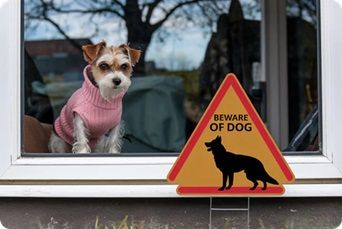
Despite a widespread desire to feel physically and emotionally secure at home, many Americans rely on safe-ish behaviours or safety hacks. Some of these include: the use of misleading signs, non-functioning cameras, hiding keys under doormats or plants, or relying on a neighbour to “keep watch” while they’re away.
Additional key findings include:
● 38.1% admit to using fake security items in an attempt to deter criminal activity
● 23.7% use easily guessable passwords for doors or garages, such as birthdays or repeated digits
● 38% say they always or occasionally leave their doors unlocked while away from home
● 29% leave packages unattended on porches for four or more hours
While these shortcuts may seem convenient, they offer little real protection, and the consequences can be serious.
Following a security incident, survey results showed:
● 35% of respondents reported feeling helpless or violated
● 24% felt less safe in their home
● 40% said they lost trust in their neighborhood
So, ADT suggests what drives people to adopt these safe-ish habits, especially when they know the potential risks. While there’s not a plain and simple answer, some reasoning includes:
● A general lack of awareness about effective security measures: Safe-ish habits can be well-intentioned, but without actual security measures in place, there’s only so much that a decoy sign can do. When it comes to an actual security threat, having the right equipment can help prevent a tragedy, and the emotional and physical toll that can cause.
● Misconceptions about the cost of reliable home protection: Most people assume that a home security system involves expensive equipment and professional installation. However, DIY systems are becoming more prevalent and offer pricing flexibility. ADT’s DIY products, for example, offer a wide variety of options and no long-term contracts. With DIY installation, you can decide on the products you need, tailored to your budget. And with simple setup, customers can initiate their security system themselves.
● Convenience of decoy tools: While it might seem tempting to prop up a fake security camera since it’s fast and easy, these safe-ish hacks provide minimal protection and a false sense of security, making your home vulnerable to an actual security threat.
According to ADT, the data makes this clear that participating in safe-ish tactics are not worth the risk. Survey results found that 72% of individuals who rely on these habits say they are only occasionally effective at preventing incidents, and over the past two years, 11.4% have experienced some form of break-in.
ADT’s Trusted Neighbor service strengthens security by removing the need to hide spare keys, providing secure, temporary access for trusted contacts such as neighbours or friends.
Although these statistics are concerning, they also present an opportunity. Homeowners and renters can break free from these unsafe habits and transition to modern security solutions.
Smart solutions for comprehensive protection begin with replacing decoy items with professionally monitored security products that offer meaningful protection — whether professionally installed or DIY. With trusted product integrations there are a range of security features to meet the needs.
By integrating security features using Z-Wave technology, for example, homeowners and renters can create a cohesive system that enables whole-home surveillance and control.
Services such as ADT’s Trusted Neighbor further strengthen security by removing the need to hide spare keys, providing secure, temporary access for trusted contacts such as neighbours or friends.