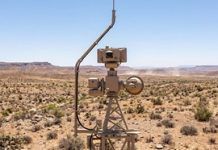


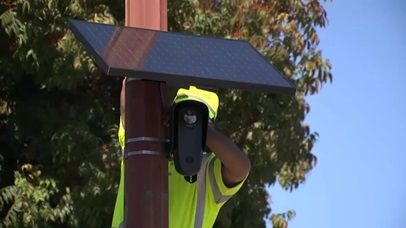
San Jose is tightening controls over its automated license plate reader program, as the city faces mounting public pressure over surveillance concerns and a lawsuit. The City Council voted unanimously to adopt a range of new safeguards for San Jose’s network of 474 cameras, including limits on where the devices may be installed and how long license plate data may be stored.
However, the measure still falls short of demands from some residents, who are calling on San Jose to follow suit with other South Bay jurisdictions and cut ties entirely with the technology’s vendor, Atlanta-based firm Flock Safety.
The issue has pitted critics of the surveillance technology — who warn it can be used to track law-abiding residents and target immigrants — against its supporters, who argue the cameras, first introduced in San Jose in 2022, have become an invaluable investigative tool for the city’s chronically short-staffed police force.
“I personally believe — from everything I have read, seen, studied, discussed with folks in the city and outside the city — that we’ve struck the right balance here,” Mayor Matt Mahan said during the meeting.
Among the approved changes, the measure will reduce the default retention period of license plate reader data from one year to 30 days. It will also prohibit the placement of cameras outside abortion clinics, health care facilities offering gender affirming care, consulate offices and places of worship.
In addition, the new rules place firmer controls on access to the data. That includes a requirement that law enforcement agencies wishing to search the database provide additional compliance documentation indicating the type of crime under investigation, as well as the case number related to the request. Another rule will mean that any request from a law enforcement agency that does not have a data access agreement with SJPD will require approval from a command-level officer.
Even before the vote, partner agencies requesting data access have had to provide a “legitimate law enforcement purpose,” though they don’t need a warrant. San Jose already prohibits use of the database for investigating a person’s immigration status or for monitoring legally protected activities like protests or rallies.
The surveillance technology has come under increasing scrutiny in recent months. In November, a coalition of local advocacy groups sued San Jose, alleging the city’s practice of allowing warrantless searches of its license plate data violates drivers’ privacy rights.