

The Seattle City Council voted 7-2 to expand the use of police surveillance cameras in the face of vocal opposition by residents and civil rights and community groups worried the system will be used by the Trump administration to persecute immigrants and communities of color.
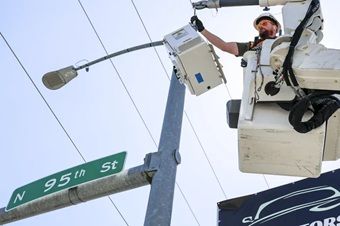
The council endorsed two measures that add surveillance cameras to three new neighborhoods, incorporate hundreds of Seattle Department of Transportation cameras and expand the reach of the Seattle Police Department’s new Real Time Crime Center. Both pieces of legislation are part of a pilot program begun last year and expanded Tuesday before their efficacy could be measured.
Councilmember Bob Kettle, the chair of the public safety committee and sponsor of the bills, said the measures were rushed in anticipation of the FIFA World Cup games in Seattle this spring, but had the support of many small businesses and residents who want crime addressed.
These bills are designed to come together and support each other and to support our communities,” Kettle said. He said he recognizes the threat by an overzealous federal government but assures the measures reflect “the Seattle way” where constitutional policing and respect of rights are prioritized.
An amendment offered by Councilmember Alexis Mercedes Rinck and supported by Kettle would pull the plug on the Real Time Crime Center and all gathering of video and data for at least 60 days if the federal government subpoenas or otherwise tries to use the information for immigration enforcement. It passed unanimously. Several other amendments intended to limit or evaluate the success of the police surveillance failed. Cameras are currently installed along North Aurora Avenue, in the downtown Third Avenue corridor and near 12th Avenue and Jackson Street in the Chinatown International District. Mayor Bruce Harrell has proposed expanding surveillance to areas around Garfield High School, the nightlife area on Capitol Hill and the Stadium District.
The proposals faced broad opposition from civil libertarians and community groups. Opponents included more than 60 community groups, the American Civil Liberties Union of Washington, the Seattle Office for Civil Rights, the Community Police Commission and the Community Surveillance Advisory Working Group, among others.