


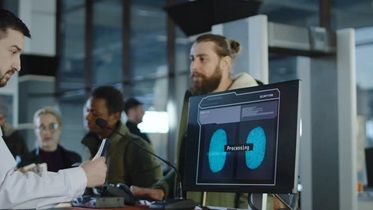
The Transportation Security Administration (TSA) is opening the door for innovation, inviting private sector companies to help reshape the future of airport security. With a new Request for Information (RFI) now live on SAM.gov, TSA seeks turnkey solutions that promise to enhance aviation security while significantly improving the passenger experience at airport checkpoints.
This call to action is part of a broader strategic vision that aims to modernize air travel. The agency is particularly focused on leveraging advanced technologies and streamlining operations to create a smoother, faster, and more secure airport journey for all travelers.
TSA’s RFI highlights the agency’s push toward integrating cutting-edge technologies into airport operations. The ideal solutions will combine AI-powered threat detection, remote screening capabilities, and scalable data systems, all while ensuring the highest levels of security compliance. The intent is to deliver what TSA describes as a “curated, secure, customer-centric experience.”
Under this initiative, proposals should not only meet TSA’s strict security standards but also reduce manual labor and operational costs. Submissions that use automation, robotics, and intelligent design to optimize both passenger and baggage screening processes are especially welcome. TSA expects these technologies to significantly improve throughput during high-traffic periods and staffing shortages.
TSA has outlined a clear list of objectives for this initiative. Proposed solutions should address multiple facets of airport checkpoint efficiency and security. These goals include:
● Enhancing aviation security effectiveness
● Reducing total operating costs and workforce dependency
● Improving the passenger experience and throughput
● Maintaining full compliance with TSA’s security and regulatory standards
● Utilizing AI-driven threat detection and remote screening technologies
● Incorporating robotics and automation to optimize screening tasks
● Increasing flexibility during operational surges or staffing limitations
This holistic approach aligns with TSA’s mission to balance safety, speed, and service in modern air travel. In a recent announcement, Acting Administrator Ha Nguyen McNeill reaffirmed the agency’s commitment to traveler convenience and security. She cited the recent elimination of the shoe-removal mandate as a sign of ongoing efforts to simplify checkpoint procedures.
According to McNeill, this RFI represents a “golden age of travel innovation,” where the private sector can actively shape how passengers move through airport security checkpoints. The TSA envisions future checkpoints as seamless transitions rather than bottlenecks. This includes intuitive design layouts, real-time data exchange with TSA systems, and adaptive operations that respond dynamically to passenger volume and emerging threats.
Private participation in TSA operations isn’t new. Through the Screening Partnership Program (SPP), TSA already contracts private security firms to manage screening services at certain airports, under federal oversight. This new RFI could expand the role of private companies beyond personnel to include technology solutions, service design, and operational frameworks.
As airports grow busier and traveler expectations evolve, TSA’s move to partner with private innovators could signal a significant shift in how airport security is handled. The transition from reactive procedures to proactive, tech-enabled processes promises not just stronger security but a more dignified and less stressful travel experience