



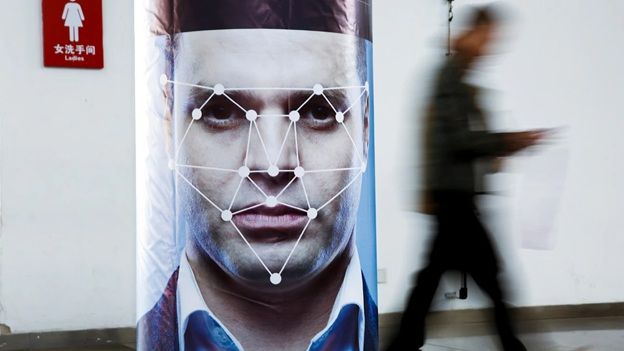
The United Kingdom is preparing to expand the use of facial recognition technology to identify visa overstayers and people who violate immigration rules, as the government steps up efforts to tighten immigration enforcement.
The proposed system could see live facial recognition cameras deployed at transport hubs, ports, travel routes and selected public events to identify individuals sought by immigration authorities. The technology would compare images captured by cameras against an authorised watchlist containing photographs of people wanted for immigration-related enforcement.
Home Office policy documents indicate that the technology could be used not only to locate people facing removal or suspected of immigration-related crimes but also those who have overstayed their visas or entered the UK without permission, the Guardian reported. Such breaches are classified as civil immigration matters rather than criminal offences.
The plans mark a potential expansion of facial recognition beyond its earlier, limited use in immigration enforcement. The Home Office has moved the programme into its formal delivery phase, although the department has said it is considering further trials and exploring the technology’s future applications.
The proposed expansion comes amid a wider government crackdown on illegal migration, following Home Secretary Shabana Mahmood’s decision to double the immigration enforcement budget and increase its workforce by 60%. The move is intended to facilitate tens of thousands of additional raids, arrests and deportations, The Guardian reported.
Under the proposed arrangement, cameras would scan faces within designated areas and compare them in real time with images on an approved immigration enforcement watchlist. If the system detects a possible match, it would generate an alert for trained personnel to review.
The technology would not independently establish a person’s identity or confirm that an immigration violation had occurred. Officers would have to conduct further identity checks before deciding whether to stop, question or take enforcement action against an individual.
The Home Office has also said the system would not be used for general monitoring or speculative surveillance.
The plans follow three trials of live facial recognition technology at Holyhead port in north Wales between November 2025 and February 2026. Those exercises focused on identifying people travelling from Ireland through the Common Travel Area who were subject to deportation orders or wanted in connection with immigration-related criminal offences.
The scope of potential use could now widen. The policy documents suggest that people liable to detention under immigration legislation, including those who have failed to comply with the conditions of their entry or stay, could be added to watchlists.
Potential deployment locations include busy transport facilities and specific events expected to attract large crowds. The documents also refer to locations with heightened community sensitivity, although the Home Office has not clarified which places or events could fall into that category