


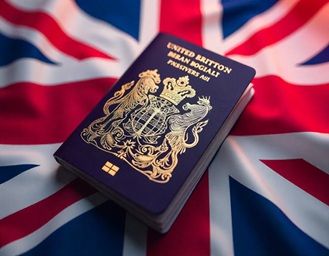
Starting December 2025, the United Kingdom will unveil a transformative redesign of its iconic British passport, marking a new chapter in the nation’s history. The updated passport will feature King Charles’ Coat of Arms, symbolizing the monarchy’s shift to the new reign.
This design will not only celebrate royal heritage but also highlight the country’s rich natural landscapes, such as Ben Nevis and the Giant’s Causeway, through stunning imagery of UNESCO-protected sites. Beyond its aesthetic changes, the passport will incorporate groundbreaking security features like holograms and translucent elements, making it the most secure version to date. This redesign is part of the UK’s broader effort to strengthen border security, prevent illegal entry, and reflect the country’s evolving identity following Brexit, all while ensuring enhanced protection against counterfeit documents.
A significant transformation is on the horizon for British passports, set to take effect in December 2025. This marks the first redesign since 2020, ushering in a new era for the iconic travel document, with a more secure and visually distinct appearance.
The most notable change in the redesigned British passport is the incorporation of King Charles’ Coat of Arms. This heralds a new chapter for the monarchy and reflects the transition of power from Queen Elizabeth II to King Charles III.
The new British passport is not just about aesthetics; it also sets a new benchmark in passport security. The redesigned document will be the most secure version ever created. It will feature cutting-edge anti-forgery technology, including holograms and translucent elements, which will make it much more challenging to counterfeit or tamper with. These advancements are part of a broader effort by the UK government to enhance border security and ensure that passports remain difficult to forge, protecting citizens and national security.
This redesign follows the transition in 2020, when the traditional burgundy British passport was replaced with a new dark blue design. This change was symbolic of the UK’s official departure from the European Union, with the blue passport intended to reflect the country’s restored independence. The dark blue passports replaced the burgundy version that had been in circulation since 1988. The 2025 redesign continues this evolving trend, building on the legacy of the blue passport while marking the start of a new royal chapter.
The new passport’s redesign is also part of the UK government’s “Plan for Change” aimed at strengthening border security and preventing illegal immigration. This initiative is particularly focused on ensuring that those who do not have the right to live in the UK are unable to enter. With these changes, the government aims to provide better protection against illegal immigration while making the passport even more secure for international travel.
In addition to the aesthetic and security changes, the UK government has been working on streamlining the passport issuance process. In the first half of 2025 alone, more than 3.8 million passports were issued, with an impressive 99.7% processed within three weeks, surpassing the government’s target of 98.5%. This efficiency is part of the broader efforts to ensure that British citizens can access their travel documents with ease, even amid high demand.