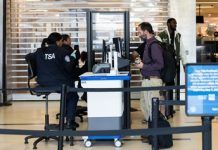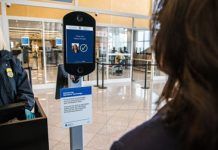


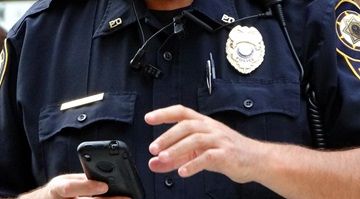
Illinois lawmakers are weighing a proposal that would sharply curtail the use of biometric surveillance by police and other law enforcement agencies, setting up a consequential fight over police use of facial recognition, fingerprint matching, iris scans and other tools that have become increasingly embedded in modern law enforcement investigations.
House Bill 5521, the Biometric Surveillance Act, was introduced by state Democratic Reps. Kelly Cassidy, Lilian Jiménez, and Kevin Olickal and would prohibit law enforcement agencies from obtaining, retaining, possessing, accessing, requesting, or using a biometric identification system.
The bill would also bar agencies from sidestepping the restriction by entering into agreements with third parties, other government agencies or federal entities to obtain or use those systems on their behalf.
The legislation goes beyond merely regulating the use of facial recognition by police. The bill would create a broad prohibition on biometric identification systems used by law enforcement, while carving out specific exceptions for employment background checks, fingerprinting following an arrest or conviction, the collection of forensic evidence at crime scenes, and officers verifying their own identity on personal devices.
It would also create a private right of action for people whose rights under the law were violated and authorize the Illinois attorney general to enforce the measure. In addition, the bill would amend the Illinois Identification Card Act, which authorizes the Secretary of State to issue official ID cards to residents. and the Illinois Vehicle Code to prevent the secretary of state from providing facial recognition search services, except for verifying identity when issuing a mobile driver’s license or identification card.
If enacted, the proposal would amount to one of the more sweeping state level restrictions in the country on law enforcement use of biometric technologies. Supporters argue that such a move is necessary because Illinois, despite its strong reputation for biometric privacy protections in the commercial sphere, has not imposed comparable limits on government use of the technology.
The American Civil Liberties Union (ACLU) of Illinois, which supports the bill, says biometric identification systems operate in ways that are both invasive and opaque, enabling authorities to track who people are, where they go and what they do.
According to the civil liberties group, the use of facial recognition and related systems threatens privacy rights and can chill free expression, protest activity, and religious participation, particularly because the public often has little visibility into how the tools are being deployed.
Critics argue that facial recognition is typically used not as the sole basis for an arrest or charge but as a lead generating tool that helps investigators identify potential suspects who must then be corroborated through other evidence. They contend that the bill does not merely impose guardrails but would effectively remove a category of investigative capability altogether.
That argument has been reinforced by accounts of cases in which police say facial recognition helped advance serious violent crime investigations. The Chicago Police Department said detectives investigating murders, rapes, robberies, and kidnappings have developed important leads by submitting surveillance images to facial recognition databases, including those maintained by the Illinois secretary of state.