


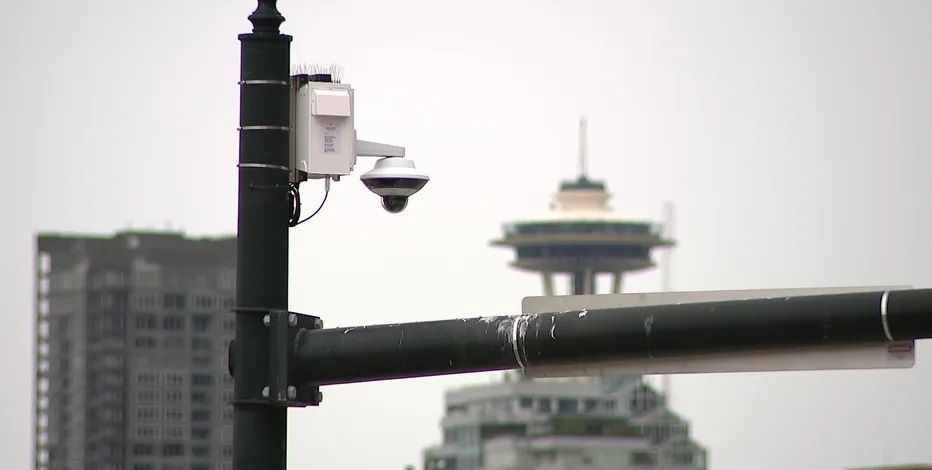
Closed-circuit television (CCTV) cameras in Seattle’s Stadium District have been turned off following the conclusion of the final FIFA World Cup match in the city, Mayor Katie Wilson confirmed. The cameras will remain powered down and non-operational until the city completes a comprehensive data privacy audit this fall. While the deactivation fulfills a previous commitment by city officials, it has renewed an intense debate over municipal surveillance and public safety.
Mayor Wilson originally activated the camera network for the city’s six World Cup matches, citing a credible threat. Proponents of the temporary surveillance initiative argued the measures successfully maintained safety during the high-profile international event.
“I’m of the opinion that the cameras did make us safer. I’m of the opinion that the evidence speaks volumes. Right? We had so few incidents,” said Peter Tomozawa, CEO of the Seattle FIFA World Cup Local Organizing Committee. He added that the city should welcome “any tools that we can give our policing officers that help.” Beth Knox, president and CEO of the Seattle Sports Commission, also agreed with using the technology during the tournament.
“Ultimately, what these leagues and conferences and governing bodies are looking for is ‘can you keep the fans safe?’” Knox said. “I think that they did play a significant role in this World Cup event keeping things safe. It provides tremendous valuable information that our law enforcement agencies at all levels require.”
Knox expressed support for keeping the systems available. “I’m an advocate for the cameras being on. I think it really contributes to information when a situation takes place and that’s the key is that it is used when there is a situation,” Knox said.
While the tournament has concluded, some business leaders argue the cameras should remain active to protect the local community during everyday operations. Downtown Seattle Association President & CEO Jon Scholes criticized the decision to cut power to the network, stating that public safety resources are still needed.
“Deactivating Seattle’s safety cameras makes zero sense. Massive crowds with international visitors may have left but the community remains, and their safety should be supported by the best available resources. Cameras are helping keep our buses, light rail trains, airports, ports and roads safe. They’re a critical tool law enforcement utilizes to solve crimes providing crucial evidence, while having important privacy code built into their use to protect the public. Turning off the cameras is blindfolding law enforcement and makes it harder to solve crimes,” Scholes said in a statement.
In contrast, privacy advocates and grassroots organizations are pushing for the surveillance technology to be permanently dismantled rather than just paused. Activists with the group “Community Not Cameras” raised concerns about how private tech vendors handle personal information, pointing specifically to companies like Flock and Axon