


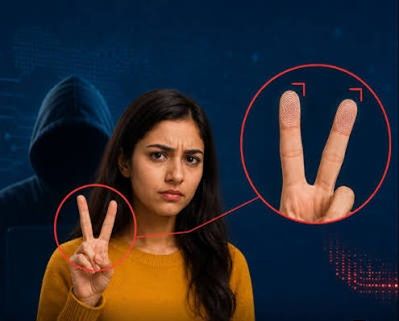
A simple peace sign in a social media photo could expose sensitive biometric data to cybercriminals, Thailand’s Interior Ministry has warned, as advances in artificial intelligence (AI) and smartphone camera technology make it easier to extract fingerprint details from high-resolution images.
The warning underscores a growing digital-age risk that many people may overlook. While the two-finger pose remains one of the world’s most popular photography gestures, experts say modern smartphone cameras are now capable of capturing extraordinary detail, including the unique ridge patterns on fingertips.
According to the ministry, the combination of ultra-high-resolution photography and sophisticated AI image-processing tools available in 2026 has created new opportunities for criminals seeking to harvest personal information. In some cases, software can analyse visible fingerprint patterns and reconstruct them into usable biometric data.
Fingerprints are among the most widely used forms of biometric identification worldwide. They are commonly used to unlock smartphones, access secure applications, approve financial transactions and verify identities across a range of online services. Unlike passwords, fingerprints cannot simply be changed if compromised.
Thai authorities said the risks are becoming more serious as consumers increasingly rely on digital services. In Thailand, fingerprint authentication is widely used for mobile banking, online shopping, digital wallet transactions and access to government platforms, making biometric security a key part of everyday life.
Experts say several factors can make fingerprint theft from photographs more feasible. Close-up images in which hands are prominently displayed can reveal greater detail, while strong lighting may enhance the visibility of fingerprint ridges. High-resolution cameras further increase the amount of information that can be captured in a single image.
The ministry said AI technology is becoming increasingly effective at enhancing photographs and reconstructing missing details. As image-processing tools continue to evolve, even seemingly ordinary photos posted online could reveal more information than most people realise.
Beyond the risk of financial fraud, officials warned that biometric identity theft can lead to long-term complications. Victims may face difficulty proving their identity, dealing with unauthorised account activity or resolving disputes related to the misuse of personal data.
Such cases can take considerable time and effort to investigate and correct. For many foreigners and expats, contacting and visiting Thai government offices can be especially challenging.
To reduce the risk, authorities are urging social media users to inspect photographs carefully before sharing them online. Users are advised to zoom in on images to check whether fingerprint patterns are visible, avoid close-up poses that place fingertips directly in front of the camera and exercise caution when taking photographs in bright light.
For those who still wish to share photos, simple precautions can help. Blurring fingertips, covering them with digital stickers or choosing alternative poses can reduce the amount of biometric information exposed. Turning fingertips inward, away from the camera, can also help. Officials also reminded the public that once images are published online, they can be copied, stored and potentially misused for years to come.