


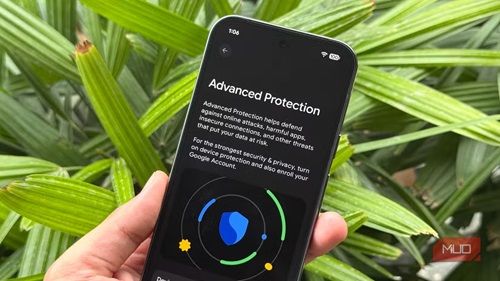
A recent study conducted by Kaspersky, a Russian cybersecurity company, has revealed that a growing number of people are storing large amounts of personal and professional data on their smartphones without taking adequate security measures. As smartphones continue to replace traditional computers for everyday tasks, cybersecurity experts are becoming increasingly concerned about the risks associated with this trend.
According to the research, more than 58% of respondents said that their smartphone is now their primary computing device, surpassing desktop PCs and laptops in terms of daily usage. From online banking and shopping to communication and document management, smartphones have become central to modern digital life. While this shift offers greater convenience and mobility, it also increases the potential impact of cyberattacks if these devices are not properly secured.
The report highlights that many users store sensitive information on their smartphones, including personal photographs, videos, important documents, financial details, passwords, and other confidential data.
Unfortunately, a significant number of these devices lack strong security protections such as robust passwords, biometric authentication, encryption, or up-to-date security software. This makes them attractive targets for cybercriminals who seek to steal personal information, financial credentials, or corporate data.
Cybersecurity experts warn that the increasing dependence on smartphones, combined with inadequate security practices, could lead to serious data breaches, identity theft, financial fraud, and privacy violations.
The study also points to concerning trends among Generation Z users. This age group, which has grown up using smartphones as their primary digital devices, appears more likely to store a wide variety of personal information on their phones. In addition to photos, videos, and documents, many Gen Z users also save passwords, login credentials, and other confidential information directly on their devices. While this reflects their confidence in mobile technology, it also increases their vulnerability if appropriate security measures are not followed.
 Security professionals recommend that smartphone users adopt stronger cybersecurity habits to reduce these risks. Using strong and unique passwords, enabling biometric authentication and two-factor authentication, keeping operating systems and applications updated, installing trusted security software, and regularly backing up important data can significantly improve mobile security. Users should also avoid downloading applications from untrusted sources and remain cautious of phishing messages and suspicious links.
Kaspersky enlists the major risks that mobile phone users face in their everyday use.
Data Leakage
Mobile apps are often the cause of unintentional data leakage. For example, “riskware” apps pose a real problem for mobile users who grant them broad permissions, but don’t always check security. These are typically free apps found in official app stores that perform as advertised, but also send personal—and potentially corporate—data to a remote server, where it is mined by advertisers, and sometimes, by cybercriminals.
To avoid these problems, only give apps the permissions that they absolutely need in order to properly function. And steer clear of any apps that asks for more than necessary. The September 2019 updates for Android and Apple iOS both added protocols to make users more aware of it and why apps collect users’ location data.
Unsecured Wi-Fi
No one wants to burn through their cellular data when wireless hot spots are available—but free Wi-Fi networks are usually unsecured. According to V3, in fact, three British politicians who agreed to be part of a free wireless security experiment were easily hacked by technology experts. Their social media, PayPal and even their VoIP conversations were compromised. To be safe, use free Wi-Fi sparingly on your mobile device. And never use it to access confidential or personal services, like banking or credit card information.
Network Spoofing
Network spoofing is when hackers set up fake access points—connections that look like Wi-Fi networks, but are actually traps—in high-traffic public locations such as coffee shops, libraries and airports. Cybercriminals give the access points common names like “Free Airport Wi-Fi” or “Coffeehouse” to encourage users to connect. In addition to using caution when connecting to any free Wi-Fi, never provide personal information. And whenever you are asked to create a login, whether for Wi-Fi or any application, always create a unique password.
Phishing Attacks
 Because mobile devices are always powered-on, they are the front lines of most phishing attacks. According to CSO, mobile users are more vulnerable because they often monitor their email in real-time, opening and reading emails when they are received. Mobile device users are also more susceptible because email apps display less information to accommodate the smaller screen sizes. For example, even when opened, an email may only display the sender’s name unless you expand the header information bar. Never click on unfamiliar email links. And if the matter isn’t urgent, then let the response or action items wait until you’re at your computer.
Spyware
Although many mobile users worry about malware sending data streams back to cybercriminals, there’s a key threat closer to home: Spyware. In many cases, it’s not malware from unknown attackers that users should be worried about, but rather spyware installed by spouses, coworkers or employers to keep track of their whereabouts and activity.
Improper Session Handling
To facilitate ease-of-access for mobile device transactions, many apps make use of “tokens,” which allow users to perform multiple actions without being forced to re-authenticate their identity. Like passwords for users, tokens are generated by apps to identify and validate devices. Secure apps generate new tokens with each access attempt, or “session,” and should remain confidential.
As smartphones continue to play an increasingly important role in both personal and professional life, ensuring their security is no longer optional. Protecting mobile devices with appropriate cybersecurity measures is essential for safeguarding personal privacy, financial information, and valuable business data in today’s connected world.